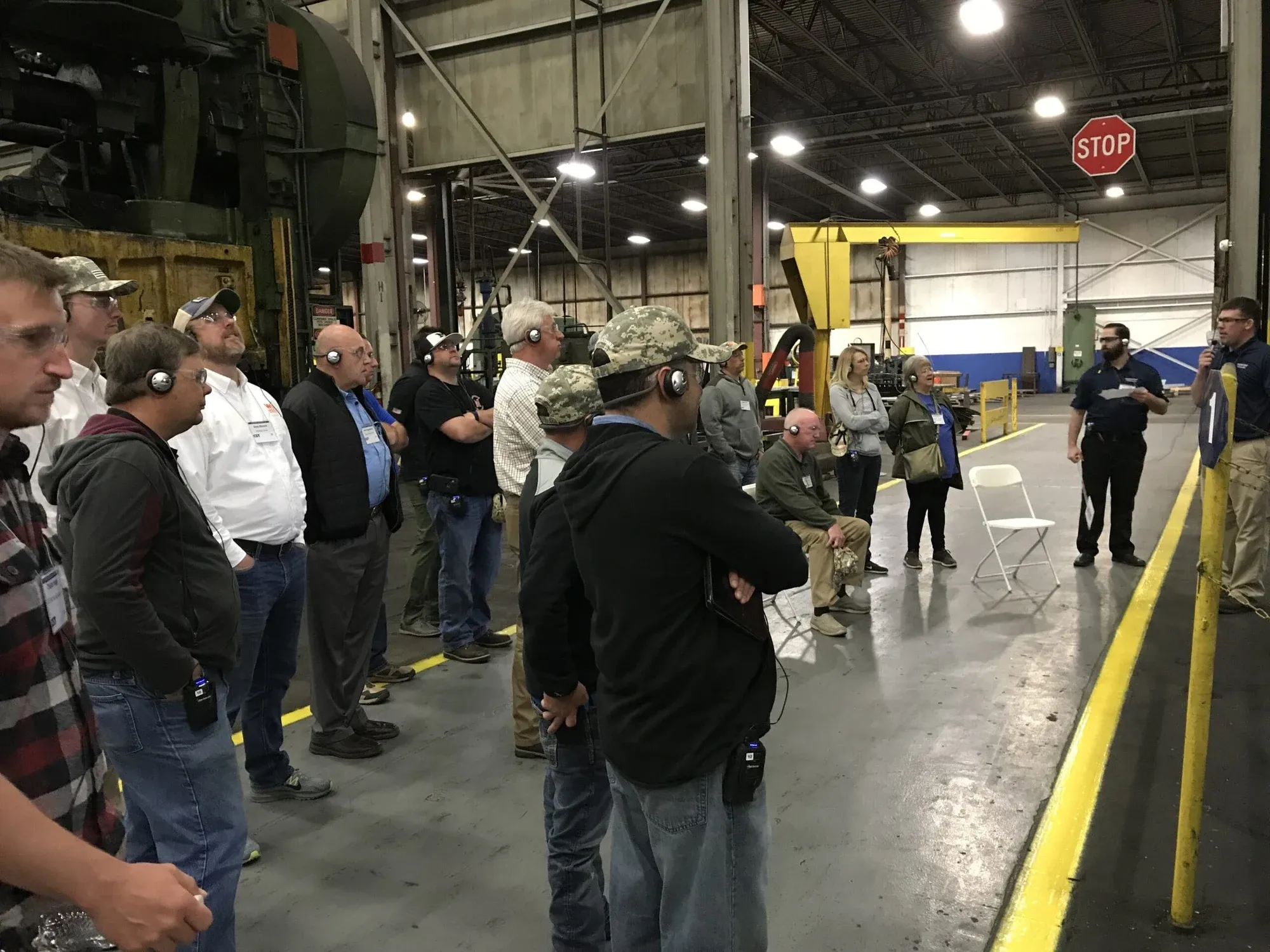
Transmitters allow the speaker’s voice to be carried to the listeners wirelessly via radio waves. A user speaks into a handheld or built-in microphone, and the transmitter ensures that they are heard, in real-time, through the listener’s earphones or headset.
You have a few options when it comes to transmitters. All of them are lightweight, durable, rechargeable, and portable. They can easily fit into pants or shirt pocket. However, we recommend that you avoid using lanyards for transmitters — or any other equipment — as these can be unsafe.
Microphones
Tour guide systems can come with both handheld and hands-free mics. Handheld microphones are generally used for events like Q&A sessions, delivering info during tour stops, and larger-scale presentations.
You also have the option of a smaller wireless mic. This is handy in case you need to easily pass the mic around during a tour, training session, or presentation.
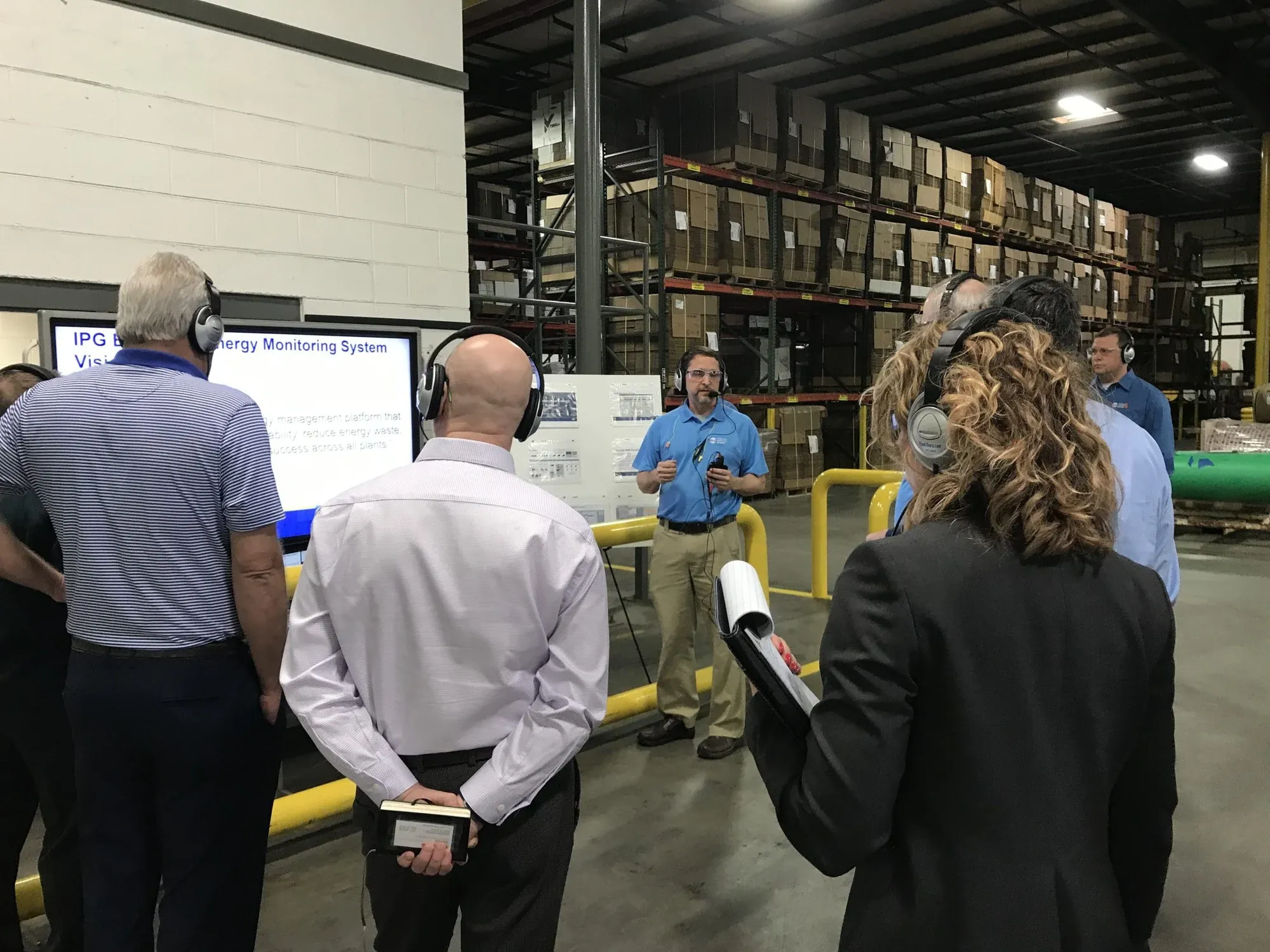
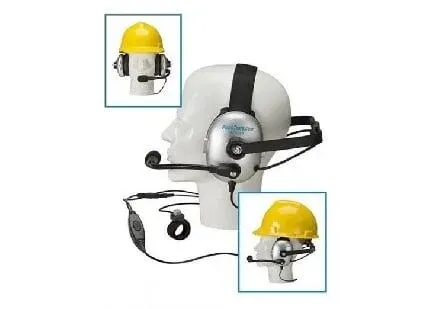
And a hands-free microphone built into your headset is a good option for fast-paced environments, more active tours, and other settings where you might need to use your hands.
Headsets Or Earphones
You have a few options when it comes to listening too. Both headsets and earphones allow you to listen to and follow the tour guide, trainer, and any other group participant throughout the tour with ease. And both offer clear, high-quality sound.
Wireless headsets with built-in microphones are a good option for staff communication, interactive tours, and training sessions.
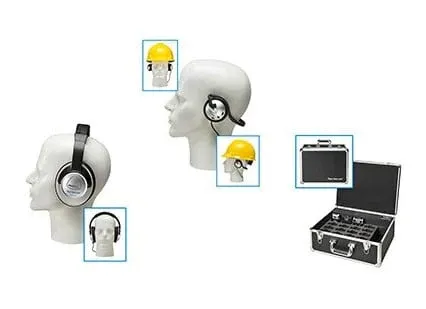
Meanwhile, wireless earphones can be very useful if you need to take up minimal space. They also come in handy in areas where hard hats and other safety equipment may be required.
Transceivers And Receivers
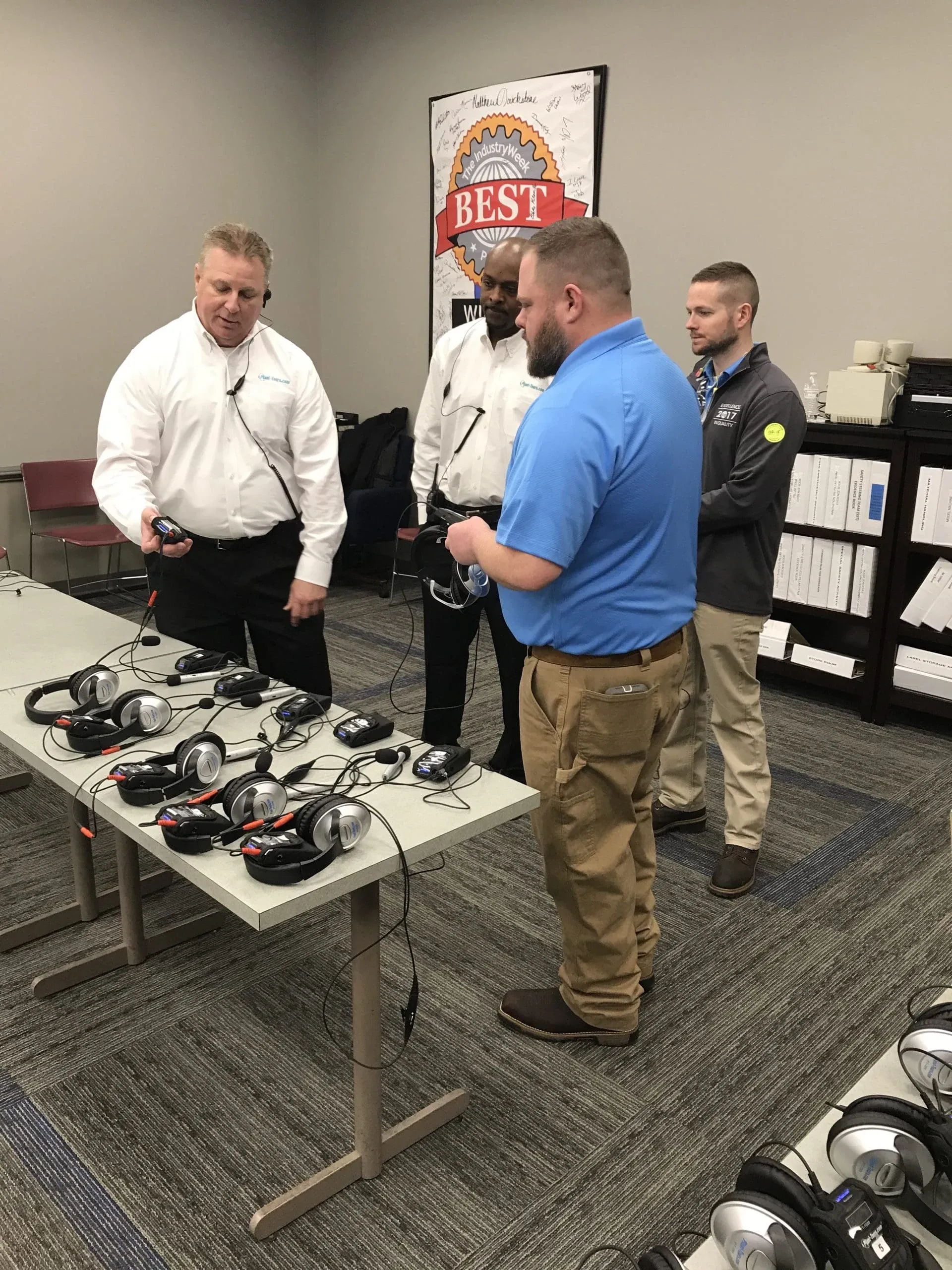
Transceivers and receivers are vital for sending and receiving data from the microphone and transmitter and delivering that data to the headset system or earphones. This is essentially how the group is able to communicate.
The transceiver allows for both listening and speaking, and it usually comes as a separate, portable unit. It’s ideal for interactive tours, staff communication, and training sessions.
The receiver only allows for listening, so it’s better for simpler, one-way guided tours. The receiver may be built into the earpiece/headset, or come as a separate piece as well.
What you choose depends on the type of tour you’re looking to give. Portable transceiver and receiver units are lightweight, easy to manage, and can be carried on a belt or inside a small pocket.
Charging Stations And Cases
Since the entire communication system is portable, it relies solely on batteries and chargers. For example, most portable transceivers and receivers run on a lithium battery. But the battery itself is easily rechargeable. And so is the audio guide system as a whole.
Plant-Tours.com’s wireless headsets can last for at least eight hours with one full charge. To recharge them, simply place the lithium batteries in their case (aka their charger), leave them overnight, and they’ll be ready for use the following day.
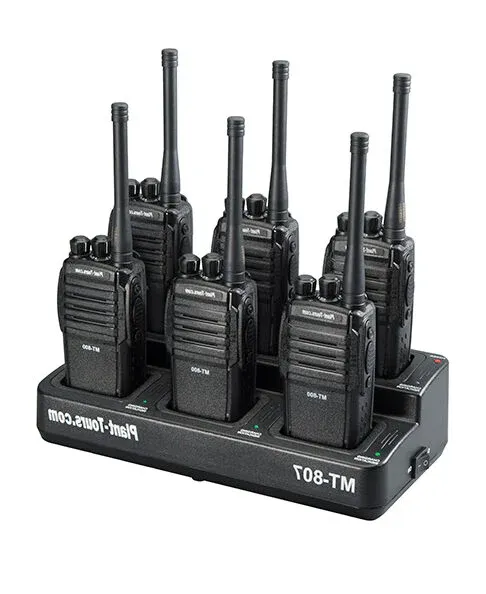
Charging stations ensure that your equipment will always have the battery life needed to perform. This is especially helpful when it comes to unscheduled and unplanned tours or activities.
And a slick, suitcase-style storage case is a reliable way to safely store and transport your whole tour guide system — from headsets, mics, and transceivers to batteries and charging stations.